

Posts.
- Two engineers negotiate the rules of agentic AI coding entirely in Tamarian metaphor. The Universal Translator runs underneath, with a lexicon for those who would speak the language.
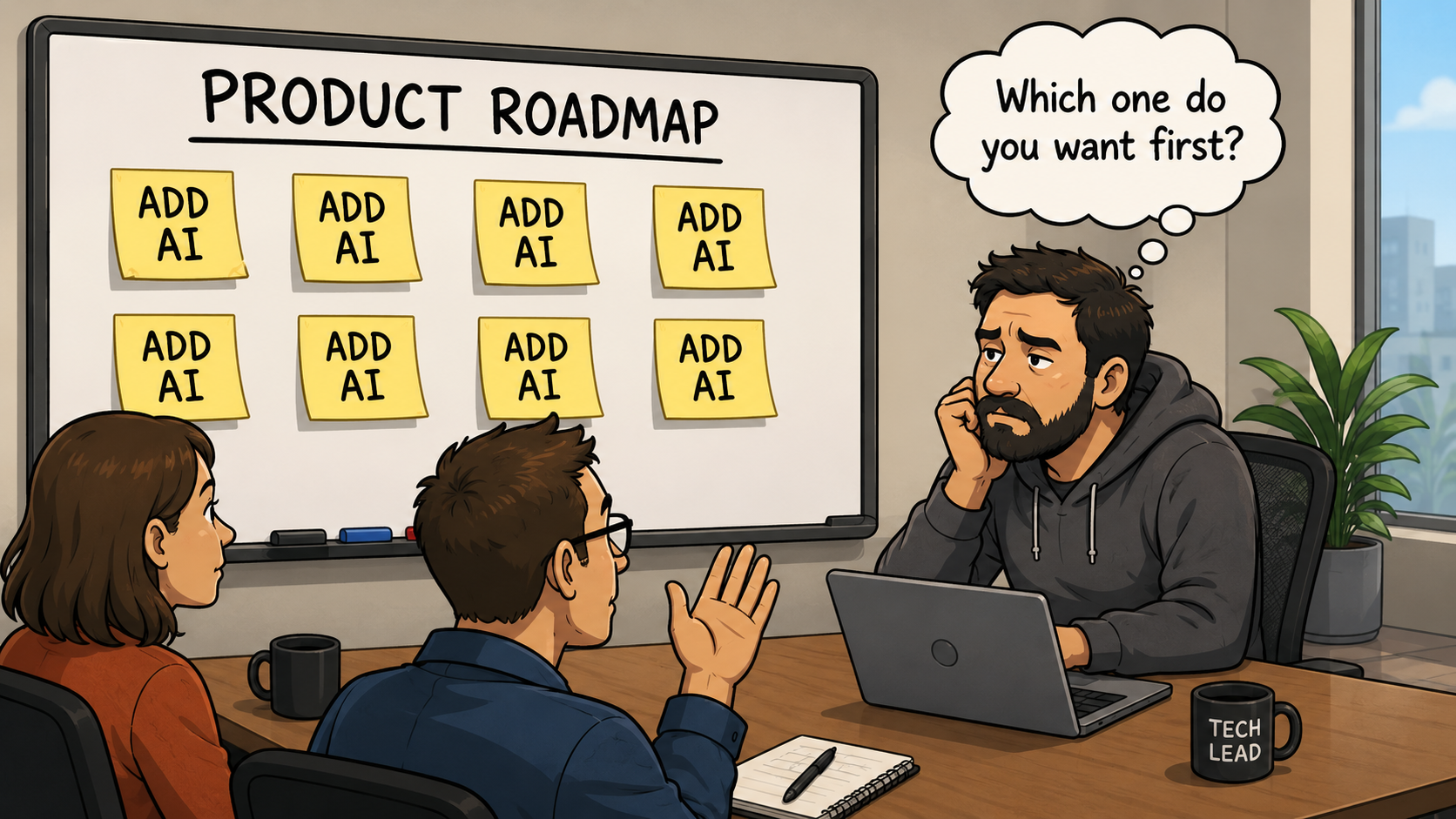 AI is a real and useful set of technologies. It is not magic, and it is not a product strategy by itself. The useful question is not ‘how do we add AI?’ but ‘what problem are we trying to solve, and can AI solve it better?’
There is a growing narrative in the technology sector, fueled by the anticipated launch cadence of heavy-lift vehicles like SpaceX’s Starship, that the future of large-scale AI training lies in orbit. The argument is straightforward: Earth’s power grids are tapped out, water for cooling is scarce, and “NIMBY” (Not In My Backyard) politics make building new data centers difficult. Space, by contrast, offers infinite solar power, a distinct lack of neighbors, and a background temperature of 2.7 Kelvin.
- A look at the RF engineering, beamforming architecture, and custom silicon that makes Starlink’s user terminal possible at consumer prices.
- Reviving the blog after a long hiatus. A note on the setup and what to expect.
- A script to automatically update DNS records for cloud instances upon boot, supporting providers like Zonomi.
- A guide on compiling a custom Android kernel for the Galaxy Nexus to enable CIFS module support.
 A Python-based solution to the Instagram Engineering ‘Unshredder’ challenge, featuring automatic strip width detection and image reconstruction.